






What is a British wool mattress? and why does it matter?
Choosing a mattress has become unnecessarily complicated. Buyers are faced with layers of terminology, technical claims, and bold promises. Yet very little is explained in plain language.
Marketing often focuses on features rather than outcomes. Cooling gels, comfort zones, and foam blends sound impressive. However, many shoppers still wake up too warm or uncomfortable.
That confusion is why interest in the British wool mattress has grown steadily. People want fewer gimmicks and more substance. They want to understand what they sleep on and why it performs the way it does.
This article explains what a British wool mattress really is. It also explains why wool mattresses are increasingly chosen by people who value long-term comfort, health, and natural materials.
What Defines a British Wool Mattress
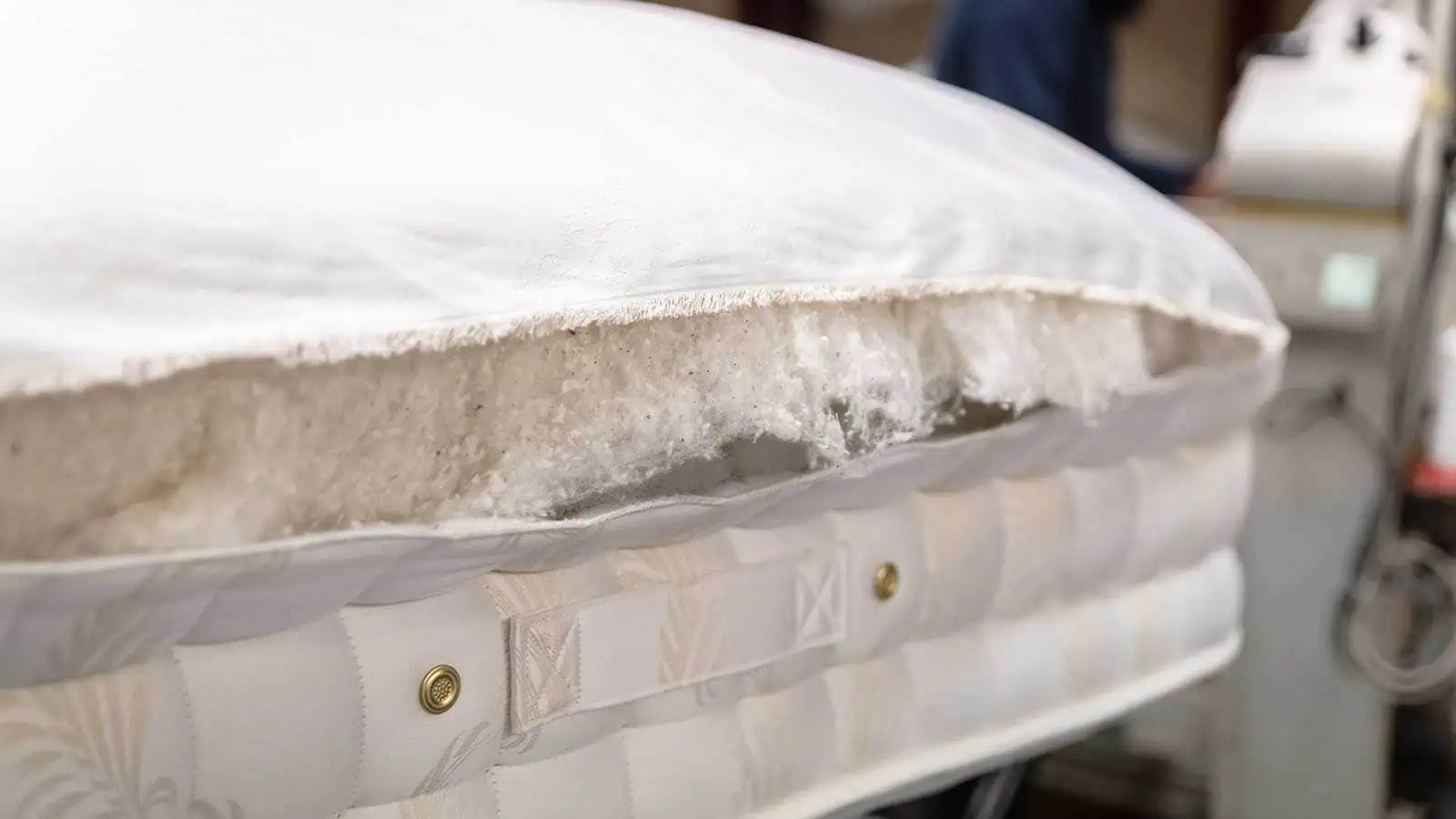
A British wool mattress uses natural wool as its primary comfort layer. That wool is sourced from British farms and processed to preserve its natural structure. Rather than being poured, injected, or moulded, the wool is layered and compacted. It is then secured using traditional construction methods designed to hold shape over time. Beneath the wool sits a supportive core. This is usually a pocket spring system engineered to work with the wool above it.
The key difference lies in how the materials interact. Wool provides surface comfort and pressure relief. The springs provide structure and support. Together, they create balance. The mattress supports the body without restricting natural movement.
This construction avoids the artificial feel common in synthetic mattresses. Instead, it delivers comfort through material performance rather than chemical engineering.
Breathability, Temperature, and Moisture Control
Temperature regulation remains one of the strongest reasons people choose wool. However, it is also one of the most misunderstood. By design, wool fibres are naturally hollow and crimped. Because of this structure, air circulates freely through the mattress rather than becoming trapped.
At the same time, wool actively absorbs moisture vapour released by the body. In fact, it can absorb up to a third of its weight without feeling damp. Once this happens, the wool gradually releases that moisture back into the air. As a result, the sleep surface stays dry and balanced throughout the night.
By contrast, foam struggles with this process. Even when manufacturers add ventilation or gel layers, foam still relies on design features to imitate breathability. When heat and moisture remain trapped, discomfort quickly follows. For this reason, many people experience night sweats on foam mattresses.
In comparison, a British wool mattress adapts naturally to seasonal changes. During summer, it allows excess heat to escape. During winter, it gently retains warmth. Because of this adaptability, the need for seasonal mattress toppers is reduced. Over time, this creates a more consistent sleep experience year-round.
Ultimately, for many sleepers, this natural balance becomes the defining benefit of wool.
How a Wool Mattress Feels Compared to Foam
One of the first questions people ask is how a wool mattress feels. The difference is noticeable from the first few nights. A wool mattress feels supportive rather than plush. You sleep on the surface instead of sinking into it.
Wool compresses gently under weight. Once pressure is released, it recovers immediately. This creates a stable sleeping position that supports alignment. It also makes turning during the night easier and less disruptive. Foam reacts slowly to movement. That delayed response can restrict natural repositioning. Over time, restricted movement may affect sleep quality. Wool’s responsiveness encourages natural changes in position.
Many sleepers describe wool mattresses as calm and grounding. There is no bounce, no sink, and no artificial resistance.
Why Wool Has Returned to Modern Mattress Design
Wool has been used in mattresses for centuries. It was the material of choice long before synthetic foams existed. The move toward foam was driven by efficiency. Foam mattresses are faster to manufacture and easier to transport. However, speed and convenience do not equal quality. Over time, many buyers began noticing drawbacks.
Heat retention became a common complaint. So did chemical odours, uneven wear, and reduced lifespan. As consumers became more informed, expectations changed. People started questioning why mattresses felt worse after only a few years. British wool mattresses reflect this shift in thinking. They prioritise durability, breathability, and long-term comfort.
Rather than chasing trends, they rely on materials that have already proven their worth. This return to wool is less about nostalgia and more about performance.
Health, Safety, and Natural Performance
Wool offers several health-related advantages. Many are rarely explained clearly in mattress marketing. Wool is naturally resistant to dust mites and mould. Its fibres create an inhospitable environment for allergens. This makes wool mattresses suitable for people with asthma or sensitivities. They support cleaner sleep without added treatments.
Wool is also naturally fire resistant. It chars instead of igniting and self-extinguishes when the heat source is removed. Because of this, wool can meet fire safety standards without chemical retardants. Most foam mattresses rely on additives to achieve compliance. For health-conscious buyers, this matters. Reducing unnecessary chemical exposure is increasingly important.
British wool mattresses achieve safety through material choice. Not chemical intervention.
Longevity, Value, and Long-Term Comfort
A mattress experiences constant stress. Every movement adds pressure to its materials. Wool fibres bend rather than collapse. This allows them to retain loft and resilience over time. Instead of sagging, wool settles evenly. This creates a consistent and supportive sleep surface.
Foam behaves differently. Once it softens or breaks down, it does not recover. This difference becomes obvious after several years of use. Wool mattresses age gradually and predictably.
A quality British-made wool mattress is designed for longevity. Its value is measured over years, not replacement cycles. For buyers focused on long-term comfort, this matters. Durability reduces waste and improves overall sleep quality.
Ultimately, choosing a wool mattress is a considered decision. It reflects a preference for natural performance and lasting comfort.