





Wool Mattress Myths: What’s True and What Isn’t
Wool mattresses often attract strong opinions. Some people swear by them. Others dismiss them before trying one. In most cases, these reactions stem from misunderstanding rather than experience.
Many wool mattress myths come from outdated products or confusion between wool used in clothing and wool used in mattress construction. Over time, these assumptions harden into “common knowledge,” even when they no longer reflect reality.
To make an informed choice, it helps to separate fact from fiction. This guide addresses the most common wool mattress myths and explains what actually matters when choosing a wool mattress today.
Myth 1: Wool Mattresses Are Too Hot
This is the most common myth surrounding wool mattresses. At first glance, it seems logical. Wool keeps you warm in winter, so people assume a wool mattress must trap heat.
In reality, wool behaves very differently in bedding than people expect. Wool fibres are naturally crimped and hollow. Because of this structure, air moves freely through the mattress.
At the same time, wool absorbs moisture vapour released by the body. It can absorb a significant amount without feeling damp. Once absorbed, that moisture slowly releases back into the air.
As a result, a wool mattress helps regulate temperature rather than trap heat. Many people who sleep warm actually find wool mattresses cooler and more stable than foam alternatives.
Myth 2: Wool Mattresses Feel Hard and Uncomfortable
Another widespread belief suggests that wool mattresses feel hard or unforgiving. This idea often comes from experiences with older or poorly made products.
In practice, comfort depends on construction rather than the presence of wool itself. A well-made wool mattress balances support and cushioning by layering fibres thoughtfully.
Wool responds immediately to weight instead of slowly conforming. Because of this, the mattress feels supportive rather than sink-in soft. For many sleepers, this creates a sense of stability.
Over time, the fibres settle evenly and adapt to the body. Instead of collapsing, they maintain structure. As a result, comfort feels consistent rather than dramatic.
Myth 3: Wool Mattresses Smell or Feel “Rustic”
Some people associate wool mattresses with a strong smell or a coarse, rustic feel. This perception usually comes from raw wool or older agricultural uses.
Modern wool mattresses use cleaned, prepared wool designed specifically for bedding. When handled properly, wool does not smell unpleasant. Any natural scent is mild and typically fades quickly.
In addition, wool sits beneath breathable covers rather than directly against the skin. The sleep surface feels smooth and refined rather than rough.
For most owners, a wool mattress feels no different to other premium mattresses in terms of touch or smell.
Myth 4: Wool Mattresses Sag Quickly
Sagging concerns often arise because people assume natural fibres break down faster than synthetic ones. In reality, wool behaves very differently from foam.
Foam compresses permanently over time. Once it loses structure, it does not recover. This leads to dips and uneven support.
Wool fibres, by contrast, bend and recover. During the initial settling period, fibres relax and distribute evenly. After that, the mattress stabilises.
Rather than sagging, a wool mattress settles uniformly. With occasional rotation, support remains consistent across the surface.
Myth 5: Wool Mattresses Require High Maintenance
Some buyers worry that wool mattresses demand constant care. This belief often puts people off unnecessarily.
In reality, wool mattresses require very little maintenance. Regular rotation helps ensure even settling, just as with most high-quality mattresses.
Because wool manages moisture naturally, the mattress stays fresher over time. This reduces the need for chemical treatments or special cleaning routines.
A breathable mattress protector is usually sufficient. Beyond that, wool mattresses fit easily into everyday life.
Myth 6: All Wool Mattresses Are Basically the Same
Not all wool mattresses perform equally. This myth can be misleading and costly.
Wool quality varies. So does sourcing, preparation, and layering. Some mattresses contain only a small amount of wool. Others rely heavily on pre-formed pads rather than loose fibres.
Preparation matters. Hand-teased wool behaves differently from compressed layers. Traceable wool offers more predictable performance than blended or anonymous fibres.
Construction determines how the wool supports the body, manages moisture, and ages over time. For this reason, understanding what sits inside the mattress matters more than the label alone.
Myth 7: Wool Mattresses Are Only for “Natural Living” Enthusiasts
Wool mattresses sometimes get positioned as niche or lifestyle products. This framing can discourage buyers who simply want better sleep.
In reality, people choose wool mattresses for practical reasons. They want stable temperature regulation, easier movement, and long-term comfort.
Many owners move to a wool mattress after experiencing problems with foam. Others prioritise durability and predictability over trend-driven features.
A wool mattress does not require a particular lifestyle. It suits people who value comfort that lasts.
What Actually Matters When Choosing a Wool Mattress
Once myths fall away, a few factors remain important.
First, look at wool content and preparation. A mattress containing meaningful amounts of well-prepared wool behaves very differently from one that merely includes wool as a minor component.
Second, consider construction. Layering, support systems, and overall build quality shape how the mattress feels and ages.
Third, think about your sleep preferences. Wool mattresses suit people who value responsiveness, breathability, and consistency over deep sink-in softness.
Finally, focus on transparency. Clear explanations usually indicate thoughtful manufacture.
Final Thoughts
Wool mattress myths persist because many people never experience a well-made one. Assumptions fill the gap where understanding should exist.
When viewed clearly, wool mattresses offer breathable comfort, predictable ageing, and stable support. They do not suit every sleeper. However, for the right person, they provide a calm and reliable sleep environment.
Understanding the reality behind wool mattresses allows buyers to choose based on performance rather than perception.
Wool Mattress FAQs
The questions below address some of the most common misconceptions about wool mattresses. They are designed to clarify how a wool mattress actually performs and what buyers can expect in everyday sleep.
You May Be Interested in the Following
When we design our mattresses, temperature and breathability are always central. We believe sleep comfort starts with material choice, not added technology.
We use British wool because it naturally regulates heat and manages moisture throughout the night. This creates a dry, balanced sleep environment that remains consistent across seasons. For people who sleep warm or experience night-time discomfort, this difference is often immediately noticeable.
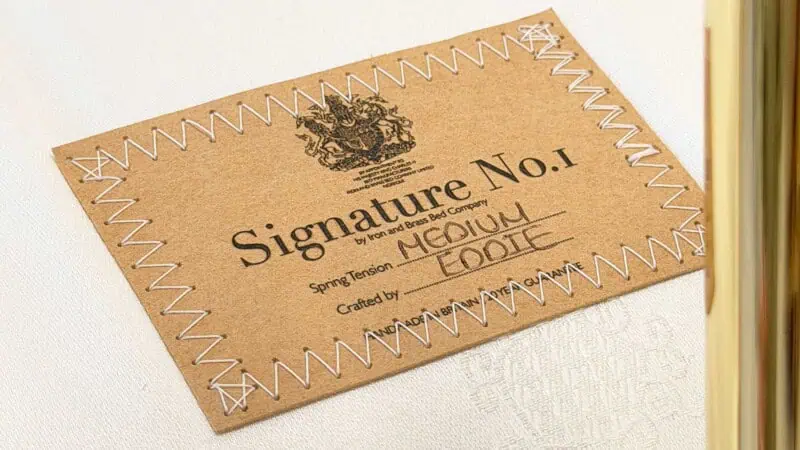
Signature Wool Mattresses
Made in Britain® certified as the only British-made pure natural mattress.
Natural Wool Mattresses
Handcrafted wool mattresses, with sumptuous layers of British wool and sustainable cotton.
Bedsetad Wool Mattresses
A comforting collection of non-turn wool mattresses, blended with cotton for natural comfort.