


How to Care for a Hand-Teased Wool Mattress for Lasting Comfort
A wool mattress is designed to mature with use rather than deteriorate. Natural wool fibres respond gradually to weight and movement. This behaviour allows the mattress to adapt to your body over time. Unlike synthetic alternatives, wool mattresses remain active and responsive throughout their life. This responsiveness is central to comfort and support.
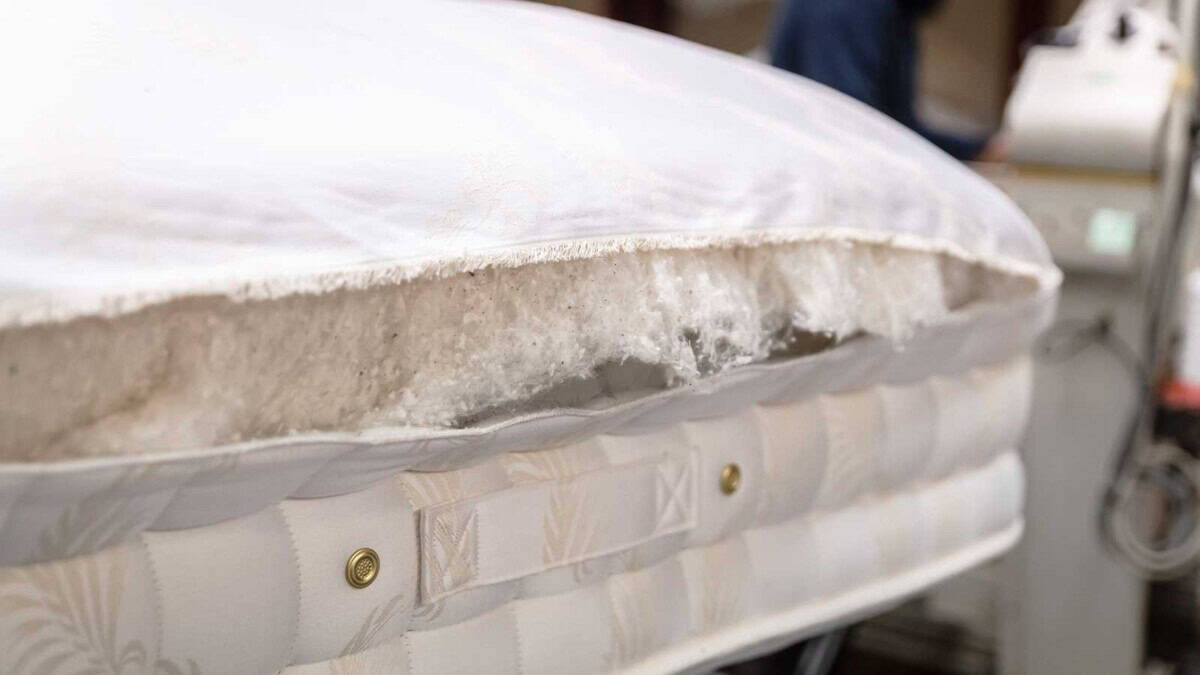
Hand-teased wool fillings are created using traditional techniques. Each layer of wool is teased apart by hand. This process introduces air between the fibres and prevents compression. As a result, the mattress offers natural elasticity and depth. The sleeper settles gently into the surface while remaining well supported.
Compared to padded mattresses, a hand-teased wool mattress behaves differently. Padded fillings compress quickly and struggle to recover. In contrast, hand-teased wool springs back after pressure. This bounce back supports movement during sleep. It also helps maintain consistent comfort across the mattress.
Because the wool is free to move, settlement occurs gradually. This process is expected and beneficial. However, it requires guidance through proper care. Understanding this behaviour is the first step in caring for a wool mattress correctly.
Why Early Care Is Essential for Wool Mattresses
The first three months of owning a wool mattress are crucial. During this time, the wool fibres begin to settle and shape. This adaptation improves comfort and support. However, without intervention, settlement may become uneven. Early care helps prevent this issue.
Regular turning and rotation guide the settling process. These actions distribute weight evenly across the mattress surface. They also protect the internal structure of the wool. By managing early wear, you preserve long-term performance.
Ignoring early care can lead to visible impressions. These impressions do not indicate failure, but they affect comfort. Even settlement ensures consistent support throughout the mattress. This consistency is essential for restorative sleep.
Once the wool has stabilised, maintenance becomes easier. The mattress requires less frequent adjustment. However, habits formed early continue to benefit the mattress. Thoughtful early care protects your wool mattress for decades.
How Often to Turn and Rotate a Wool Mattress
Correct rotation schedules are essential for wool mattresses. British Wool and Signature British Wool mattresses require both turning and rotating. For the first three months, this should be done every two weeks. This routine encourages even fibre settlement across the mattress.
After the initial period, monthly turning and rotation is sufficient. By this stage, the wool has adapted to regular use. Ongoing movement prevents pressure concentrating in one area. It also supports edge integrity and overall balance.
British Wool bedstead mattresses require a different approach. These mattresses are designed for one-sided use. They should never be turned upside down. Instead, they should be rotated head to foot.
During the first three months, rotation should occur every two weeks. After this period, monthly rotation is enough. Following the correct routine ensures even wear and lasting comfort. Consistency matters more than precision.
Keeping a Wool Mattress Clean and Fresh
Keeping a wool mattress clean should always be gentle. Wool fibres respond best to minimal intervention. A breathable mattress protector is essential from day one. Natural fibre protectors allow airflow while protecting against everyday spills.
Waterproof or plastic-backed protectors should be avoided. These materials trap heat and moisture. Trapped moisture interferes with wool’s natural regulation. Over time, this can affect comfort and freshness.
Airing the mattress regularly supports hygiene. Once a month, remove bedding and allow air circulation. This process releases moisture absorbed during sleep. Wool naturally manages humidity, but ventilation enhances this ability.
If accidental spills occur, act promptly. Blot the area gently using a clean cloth. Avoid rubbing, which can push liquid deeper into the fibres. Harsh cleaners and sprays should never be used on a wool mattress.
If necessary, a lightly damp cloth with mild soap can be applied carefully. Always test a small area first. The mattress must dry completely before use. Proper drying prevents odours and fibre damage.

How to Prevent Moths in Wool Mattresses
Moth prevention is an important part of caring for wool mattresses. Moths are attracted to natural fibres, especially when soiled. Keeping the mattress clean significantly reduces this risk. Regular airing also discourages infestation.
Good airflow is one of the strongest deterrents. Moths prefer dark, stagnant environments. Well-ventilated bedrooms are less appealing to pests. Light and movement further reduce risk.
Natural deterrents are effective and safe. Lavender, cedar, and rosemary discourage moths naturally. These should be placed near the bed rather than on the mattress. Direct contact is unnecessary.
Chemical mothballs should never be used. Their fumes damage wool fibres permanently. They also pose health risks within sleeping environments. Natural prevention methods are always preferable.
If a wool mattress is stored temporarily, preparation matters. The mattress should be clean, dry, and covered with breathable fabric. Plastic wrapping should always be avoided. Breathable storage protects the wool structure.
Long-Term Care for a Wool Mattress
Long-term care for a wool mattress is simple but vital. Regular rotation maintains even support. Gentle cleaning protects the fibres. Good airflow preserves freshness and resilience.
A hand-teased wool mattress is not disposable. It is designed to evolve with use. Over time, the mattress becomes increasingly comfortable. Proper care allows this process to unfold naturally.
By following simple routines, wool mattresses can last decades. They continue to support healthy sleep and natural temperature regulation. Caring for your wool mattress properly ensures it remains supportive, breathable, and beautifully resilient for many years.
What Is a Wool Mattress and Why Does It Matter?
If you are new to wool mattresses, understanding their structure and how to choose the right mattress is important. A wool mattress is made using natural wool fibres rather than synthetic foams. These fibres create a breathable and supportive sleep surface. Unlike foam, wool responds dynamically to body movement and temperature.
Wool mattresses regulate heat naturally throughout the night. They absorb moisture when you are warm and release it as you cool. This process helps maintain a stable sleep environment. It also reduces night-time overheating.
Wool is also naturally resilient. The fibres bend and recover without breaking down. This resilience is why a wool mattress improves with correct care. Understanding these qualities explains why rotation, airing, and protection are so important.
For a deeper explanation, we explore this in detail in our blog post, What Is a Wool Mattress. That guide explains materials, construction, and benefits in greater depth. Reading it alongside this care guide gives a complete understanding of wool mattresses.