
What Really Makes a Mattress “British Made”?
The phrase “British-made” carries strong expectations. For many buyers, it signals craftsmanship, accountability, and quality. It often also suggests ethical production and transparent supply chains. However, within the mattress industry, the meaning of “British made” varies widely.
Today, brands apply the term in different ways. Some use it to describe final assembly. Others refer to specific materials or heritage associations. In many cases, marketing language fills the space where explanation should appear. As a result, buyers often assume a level of British manufacture that does not fully exist.
Because a mattress represents a long-term investment, assumption introduces risk. For this reason, buyers increasingly look beyond claims and toward verification. Understanding what “British-made” actually means restores confidence and clarity.
Why “British Made” Means Different Things to Different Brands
The phrase “British made” carries strong expectations, especially when applied to a British wool mattress. For many buyers, it signals craftsmanship, accountability, and quality. It also suggests ethical production and transparent supply chains.
However, within the mattress industry, “British made” can mean very different things, even when brands describe their products as wool mattresses. Some refer to assembly, others to materials, and many rely on implication rather than explanation.
Because a wool mattress represents a long-term investment in comfort and well-being, clarity matters. For this reason, buyers increasingly look beyond claims and toward verification.
What “Made in Britain” Actually Certifies
Made in Britain® exists to provide clarity where language alone falls short. Rather than allowing brands to self-define British manufacture, the organisation applies independent standards.
Certification requires companies to demonstrate that manufacturing genuinely takes place in the UK. This includes production control, process oversight, and operational transparency. Importantly, certification does not rely on one-time declarations. Instead, it reflects current, ongoing practice.
Because Made in Britain lists certified products publicly, buyers can verify claims independently. As a result, certification removes guesswork and replaces it with confirmation.
In a sector where long-term performance matters, this level of verification offers meaningful reassurance.
Assembly Versus Manufacture: Why the Difference Matters
Many buyers assume assembly and manufacture mean the same thing. In mattress making, however, the distinction matters greatly.
Assembly involves putting components together. By contrast, manufacture involves controlling how those components are produced, prepared, and integrated. That difference directly affects how a mattress performs over time.
When manufacturers import finished components, they limit their influence over behaviour. Springs, fillings, and comfort layers arrive with predetermined characteristics. Conversely, domestic manufacture allows greater control over preparation and integration.
Because of this, manufacture influences breathability, settling, and durability. Although assembly may appear similar at first glance, performance differences emerge through use.
Certification helps clarify where that control truly sits.
How to Spot Meaningful British-Made Claims
Buyers seeking British-made mattresses can ask a few practical questions:
- Does the brand hold certified Made in Britain® certification?
- Can the manufacturer explain where production takes place?
- Are materials traceable rather than described broadly?
- Is certification publicly verifiable?
Clear answers usually come with evidence. By contrast, vague answers often rely on language alone.
Although certification does not replace quality, it confirms honesty. That distinction matters when making long-term decisions.
Why Certification Protects the Buyer
Certification protects buyers by removing ambiguity. Instead of interpreting marketing language, buyers can rely on independent verification.
Because Made in Britain applies audited standards, certification reflects reality rather than aspiration. If manufacturing practices change, certification status changes too. This ongoing accountability benefits consumers directly.
Furthermore, certification supports fair comparison. It allows genuine manufacturers to differentiate themselves without exaggeration. In a market where claims often overlap, evidence restores balance.
Ultimately, certification shifts trust away from assumption and toward confirmation.
Our Approach: Certification, Traceability, and Accountability
From the outset, we chose clarity over implication. Rather than relying on language alone, we pursued independent verification.
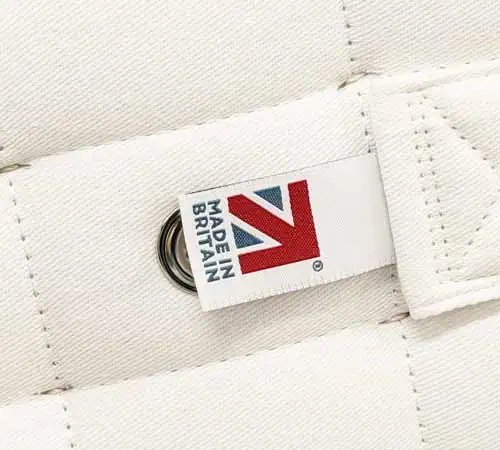
Our wool mattress collection became the first wool mattress collection certified Made in Britain® and appears publicly in the Made in Britain product catalogue. This certification confirms genuine British manufacture rather than partial-process claims.
Alongside certification, we use fully traceable British wool. Each mattress links back to the farm the wool came from. This knowledge guides how we prepare, tease, and layer fibres during construction.
In addition, every mattress carries the signature of the craftsperson who made it. That signature represents accountability. It connects the product to an individual rather than an abstract process.
Together, certification, traceability, and responsibility define our interpretation of British made. For us, building a British wool mattress means taking responsibility for every stage of production. From certified manufacture to traceable wool and named craftsmanship, each wool mattressreflects a clear, verifiable process rather than a marketing claim.
Why Material Provenance Matters as Much as Location
For any wool mattress, provenance determines not only where materials come from, but how the mattress performs over time. Although location matters, materials matter just as much. British manufacture alone does not guarantee performance.
Wool provides a useful example. Many mattresses include wool, yet sourcing and preparation vary widely. Some wool comes from blended global sources. Some arrive pre-compressed into pads. Others lack clear provenance altogether.
Without traceability, wool becomes a generic ingredient. Fibre behaviour depends on origin, structure, and handling. By contrast, traceable British wool allows manufacturers to understand performance characteristics before construction begins.
Because different flocks produce different resilience and moisture behaviour, provenance informs design decisions. When manufacturing and material sourcing align, outcomes become more predictable.
Final Thoughts: British Made as a Responsibility
For buyers seeking a wool mattress that is genuinely British-made, independent certification turns reassurance into evidence. “British-made” should mean more than geography. It should reflect responsibility, transparency, and control.
In mattress making, where performance unfolds over years, these factors directly affect comfort and longevity. Certification provides buyers with confidence that claims reflect reality.
For those who value provenance, accountability, and verified manufacture, independent certification turns language into evidence. British-made becomes something you can trust, not something you have to interpret.
FAQs: British Made Mattresses and Certification
The questions below address some of the most common points of confusion around British-made mattresses and independent certification. They are designed to clarify what different claims actually mean and how buyers can verify them with confidence.
It confirms that a product is genuinely manufactured in the UK and meets audited criteria set by Made in Britain®.
No. Without certification, the term can be used broadly, which is why independent verification matters.
Yes. Assembly alone does not equal full British manufacture.
Certification provides independent verification rather than relying on brand language.
Yes. Membership requires ongoing compliance, not a one-time declaration.
It allows greater control over materials and processes, which can improve consistency and longevity.